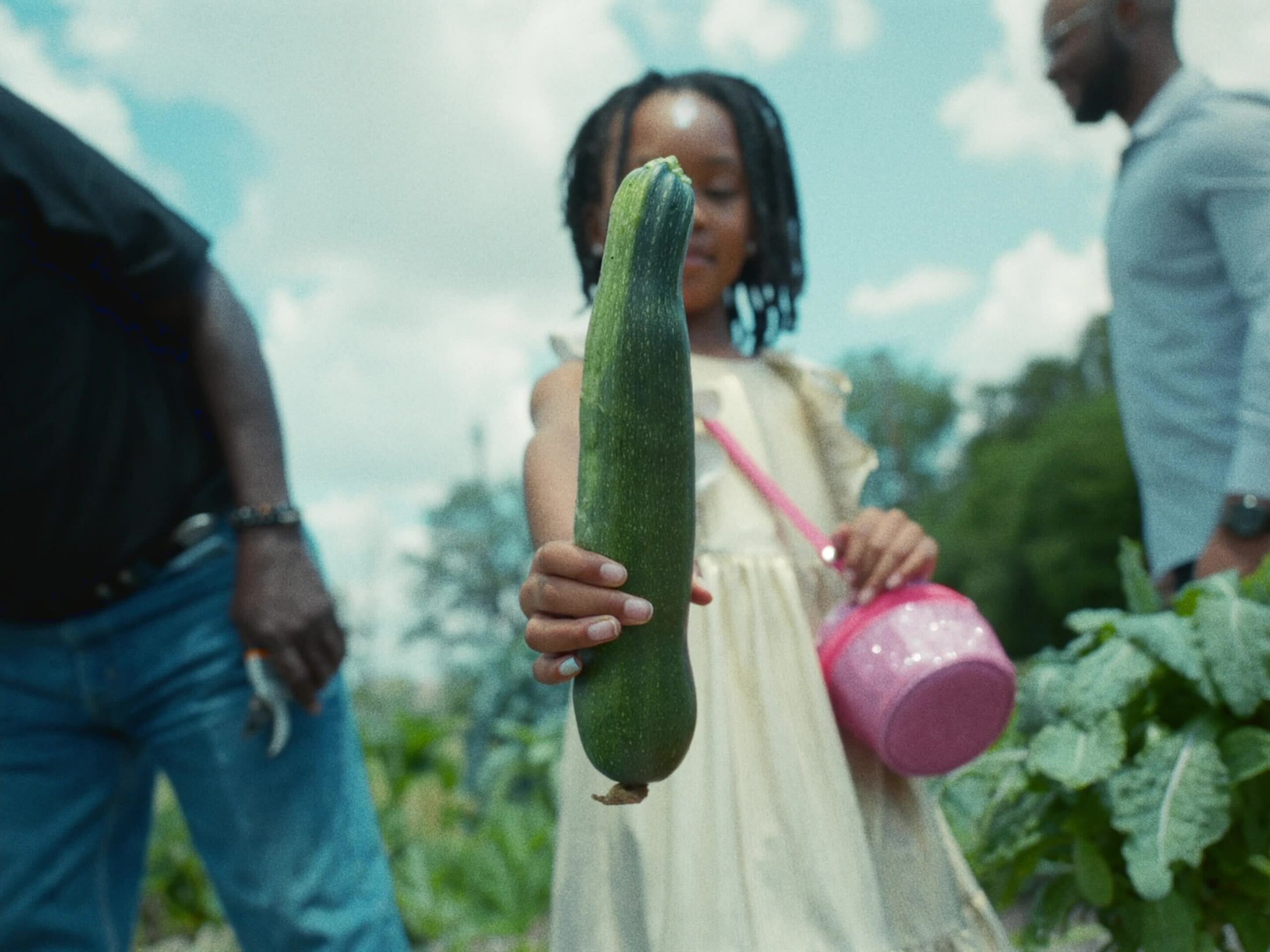
Why food?
Growing Food Changes Everything.

Growing Food Changes Everything.
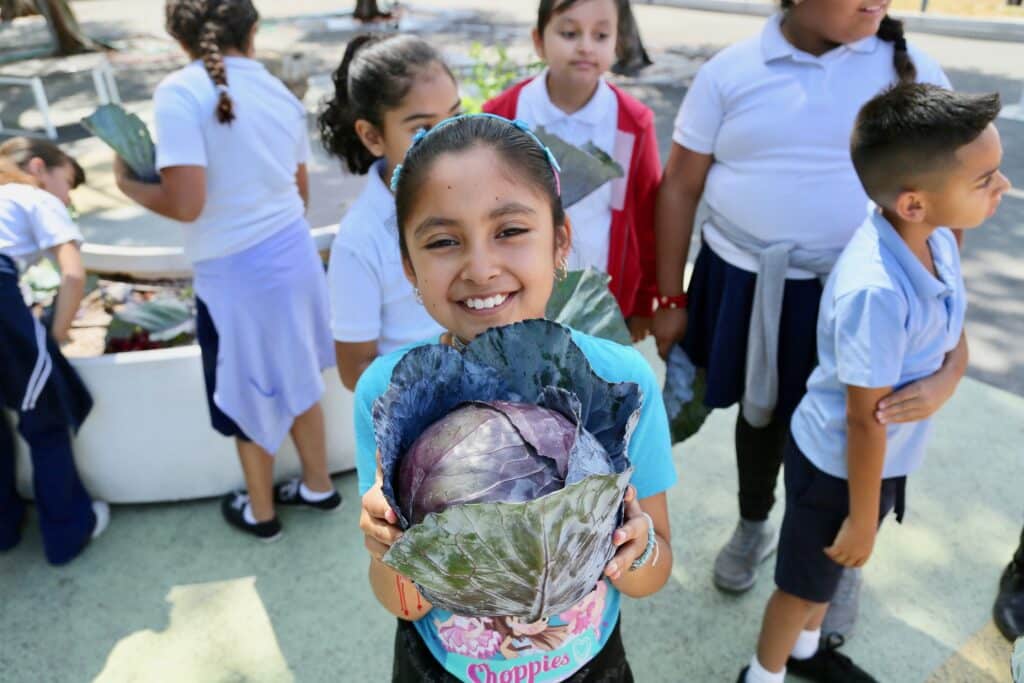
When people are denied fresh food, they lose nourishment and the power to shape their own food future. Big Green believes that growing food changes lives, and the people closest to the challenges are also closest to the solutions. We put decision-making and resources directly in the hands of local leaders, funding what works and growing change from the ground up.

increases food security
improves our health & wellbeing
connects us to our natural habitat and opens our eyes to the effects of climate change
together builds humanity
Fresh food shouldn't depend on your zip code. 1 in 7 Americans experiences food insecurity. Not because food doesn't exist, but because the systems that distribute it leave communities behind. Growing food locally builds food sovereignty, not dependency. When communities grow their own food, they control their food futures.
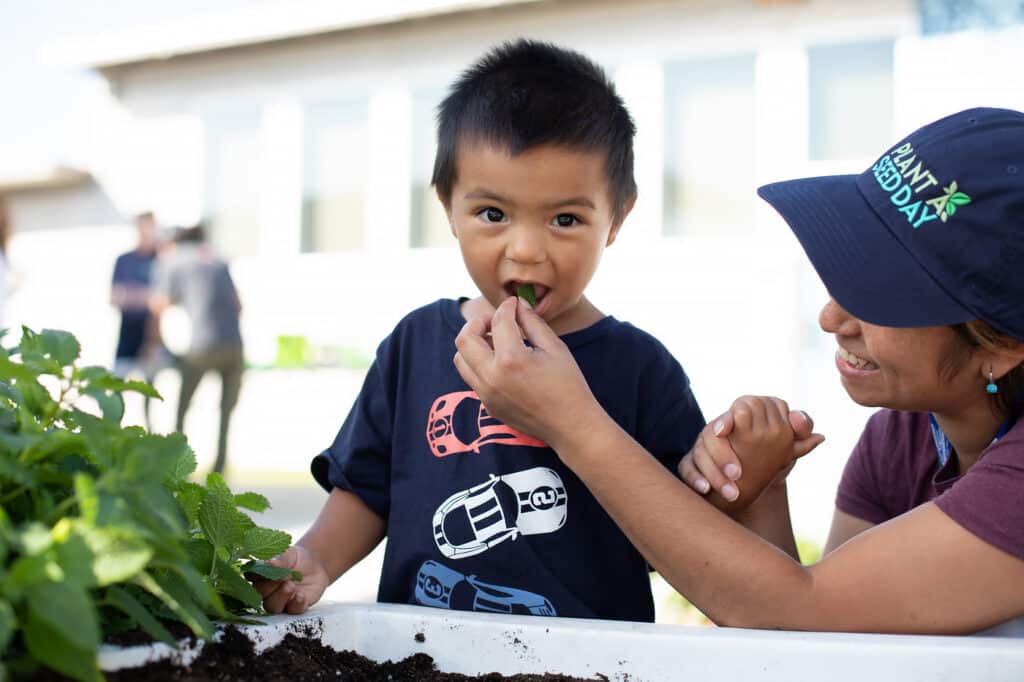
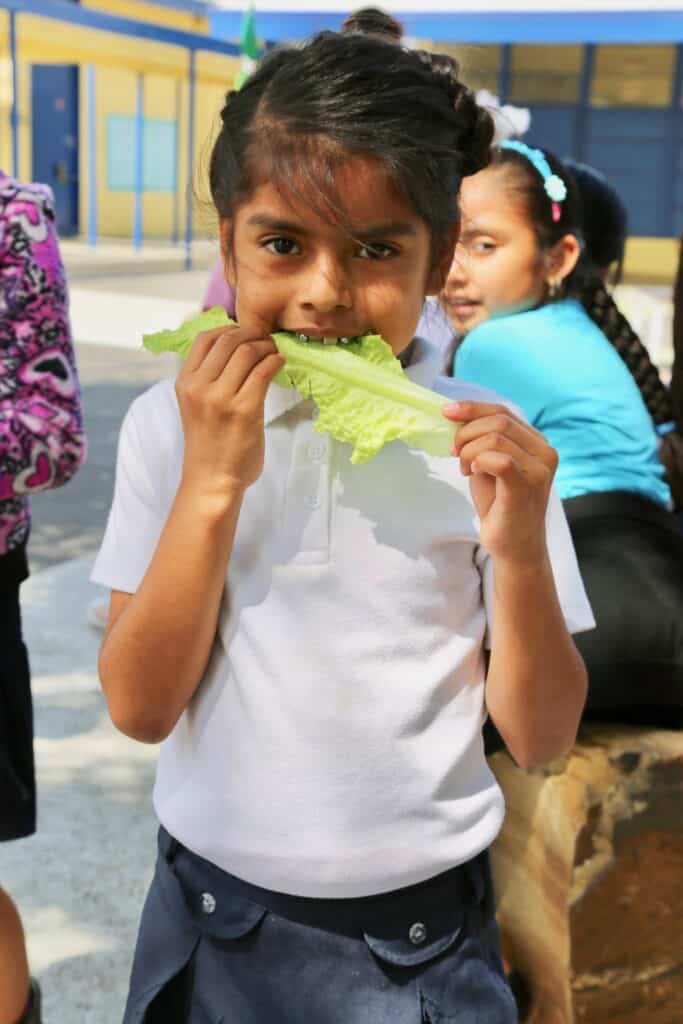
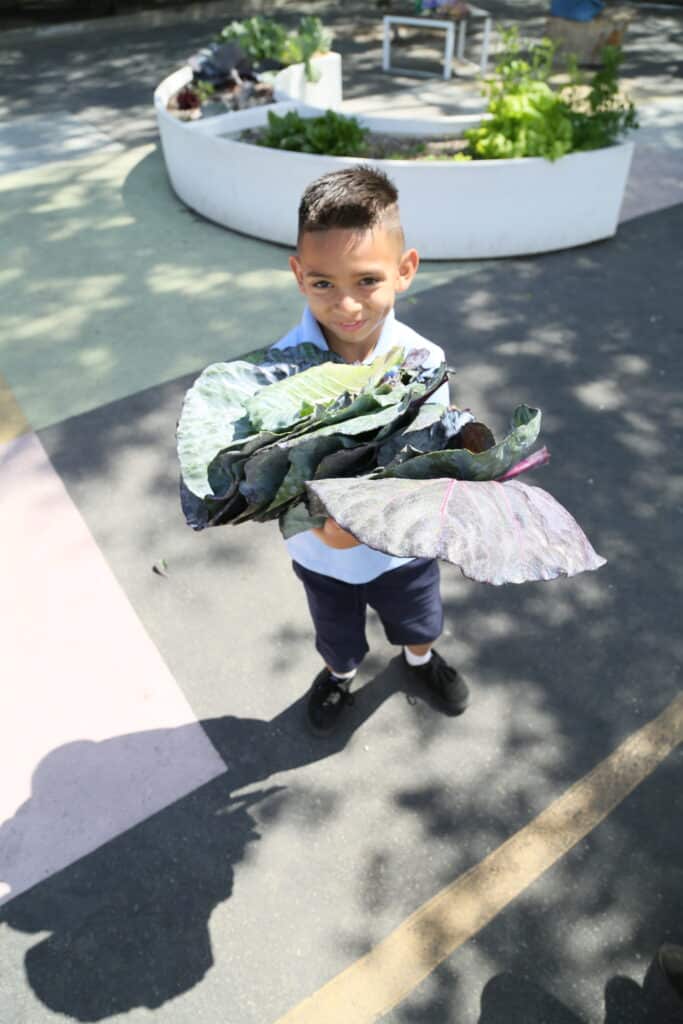
Food is medicine. Growing it is the prescription. Fresh produce access is directly linked to reduced rates of chronic illness such as cardiovascular disease, diabetes, obesity. When people grow their own food, they eat more of it. They also report improved mental health, more time outdoors, and stronger family bonds formed around the garden.
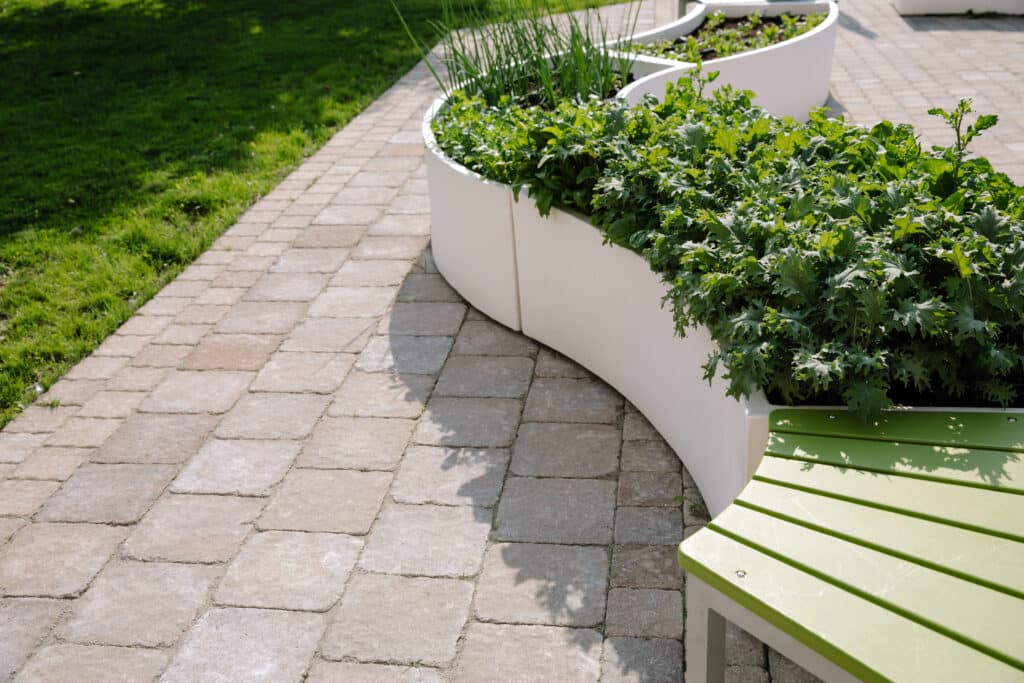
Every garden is a small act of environmental repair. Growing food restores soil health, increases urban biodiversity, and creates green space in neighborhoods that often have the least of it. Gardens cool city streets, reduce runoff, and reconnect people to the natural systems their lives depend on.
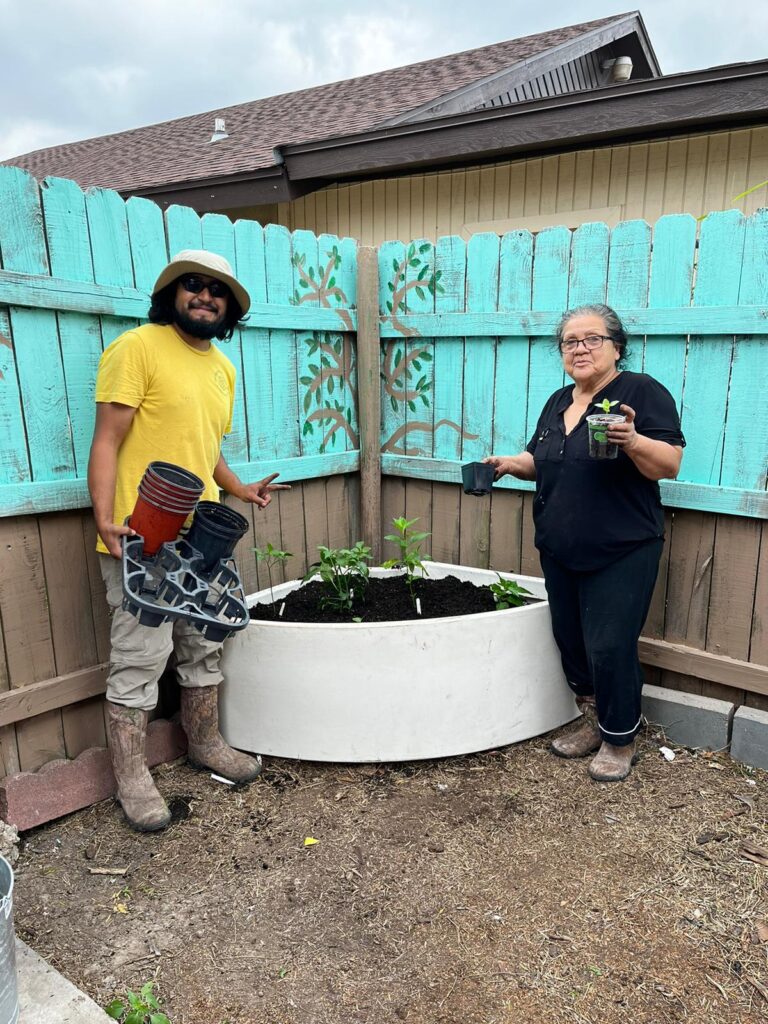
Gardens grow more than food. They grow community. Community building is not the most obvious outcome of a garden initiative. However, research consistently finds it among the most significant and long-lasting. Gardens create shared purpose, cross-cultural connection, opportunities for young people, and a sense of belonging that is increasingly rare.
As evidenced by Costa et al, “By successfully improving nutrition, community gardens not only contribute to reducing the risk of chronic diseases, such as cardiovascular disease and some cancers, but are also highly relevant to reduce inequalities in urban food systems.”
Lampert, T., Costa, J., Santos, O., Sousa, J., Ribeiro, T., & Freire, E. (2021). Evidence on the contribution of community gardens to promote physical and mental health and well-being of non-institutionalized individuals: A systematic review. PLoS ONE, 16(8), 1–19.
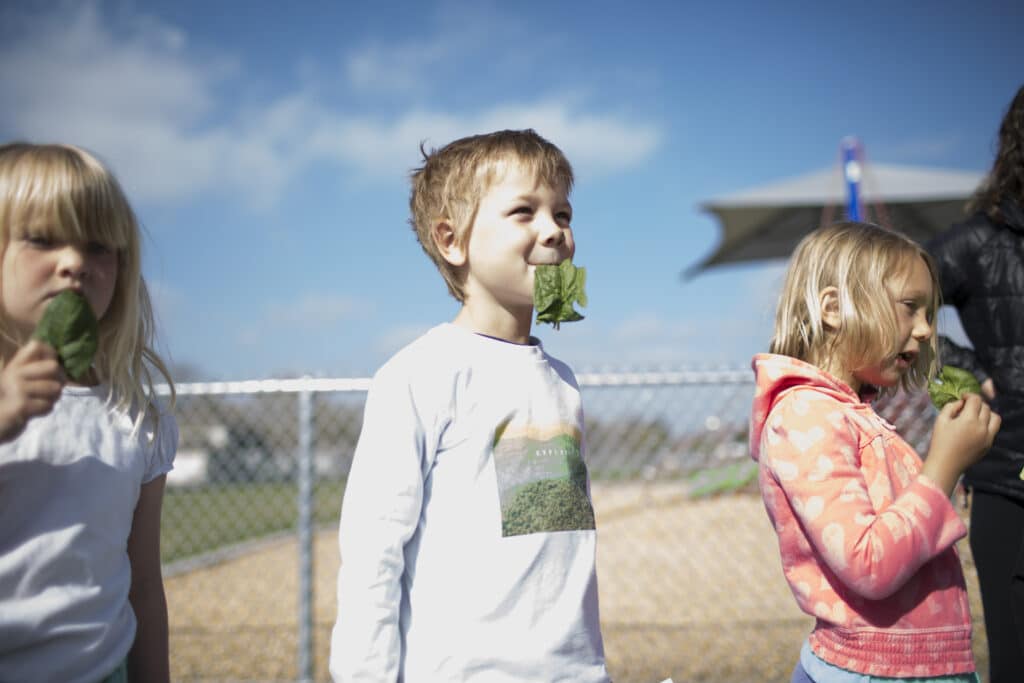
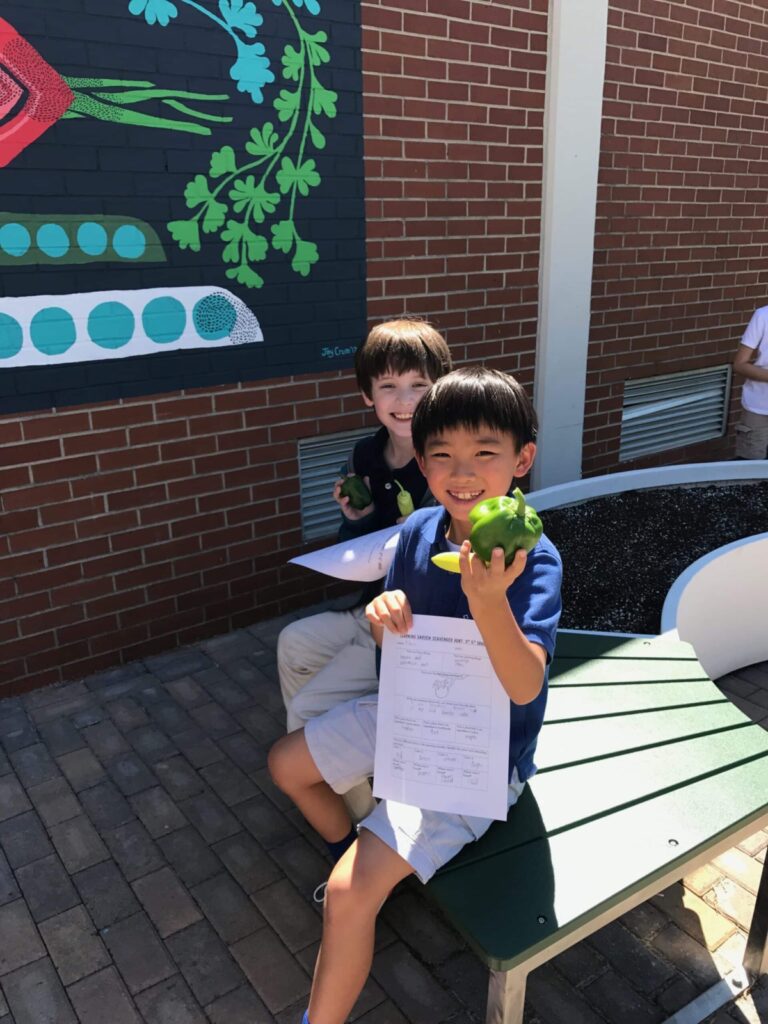
Further, van Lier et al states that “Students who participate in gardening are twice as likely to meet the recommendation for fruit and vegetable consumption compared to students who do not have a garden Likewise, students who participate in gardening and students who have a garden but do not participate were significantly more likely to always have fruits and vegetables available at home compared to students without a garden.”
van Lier, L. E., Utter, J., Denny, S., Lucassen, M., Dyson, B., & Clark, T. (2017). Home gardening and the health and well-being of adolescents. Health Promotion Practice, 18(1), 34–43.
Van Lier et al highlights that, “Adolescents commented that working in the garden gave them time to reflect, feel centered, and let go of school stress. Moreover, almost all of the youth indicated that their capacity to pay attention improved and that they were better able to do their schoolwork after gardening.”
van Lier, L. E., Utter, J., Denny, S., Lucassen, M., Dyson, B., & Clark, T. (2017). Home gardening and the health and well-being of adolescents. Health Promotion Practice, 18(1), 34–43.
In addition, “Research has shown that time in the garden reduces stress and builds empathy, self-reliance and reverence for all life.”
Fuchs, J. (2022). Environmental Education and Gardening with Children. Exchange (19460406), 264, 78–82.
Evidence on the contribution of community gardens to promote physical and mental health and well-being of non-institutionalized individuals: A systematic review. PLoS ONE, 16(8), 1–19.
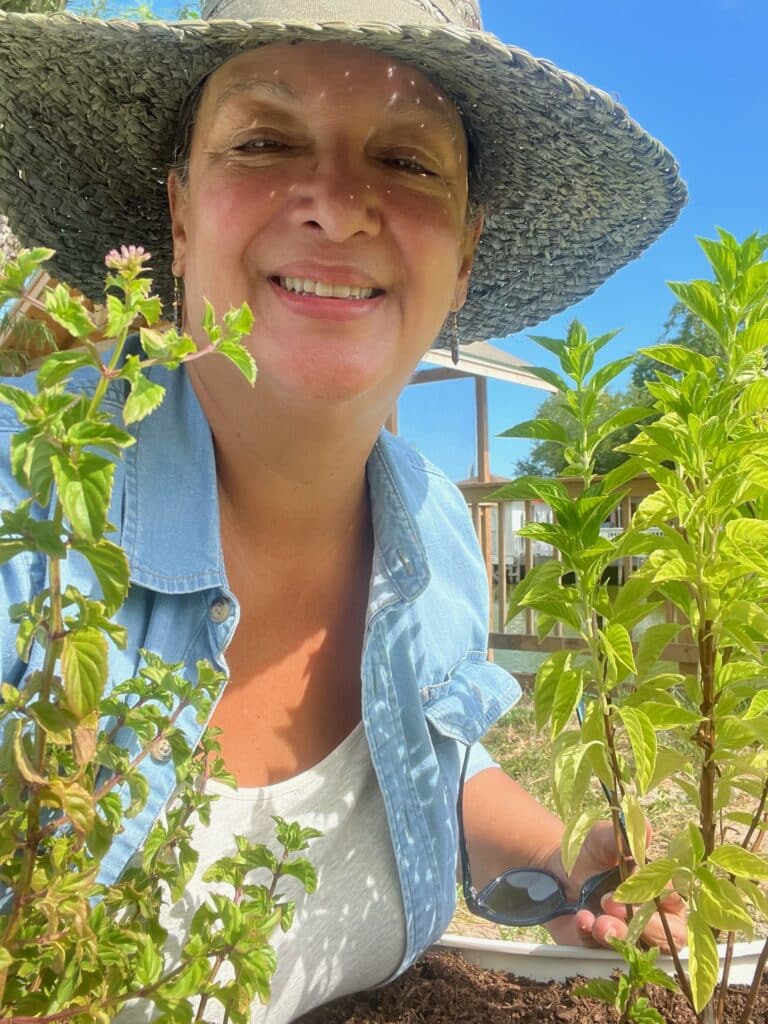
In a study conducted by Raymond et al, 62% of home gardeners described that their garden fostered a connection to nature.
Raymond, C. M., Diduck, A. P., Buijs, A., Boerchers, M., & Moquin, R. (2019). Exploring the co-benefits (and costs) of home gardening for biodiversity conservation. Local Environment, 24(3), 258–273.
Additionally, Lampert et al found that “Community gardens are an affordable and efficient…way to bring nature back to cities and potentially contribute to the provision of ecosystem services. As green spaces, community gardens serve as a habitat for fauna and flora, being considered a potential reservoir of urban biodiversity. They also contribute to increasing the proportion of permeable soil surface, filtering and storing water from the rain, thus contributing to flood prevention.”
Lampert, T., Costa, J., Santos, O., Sousa, J., Ribeiro, T., & Freire, E. (2021).
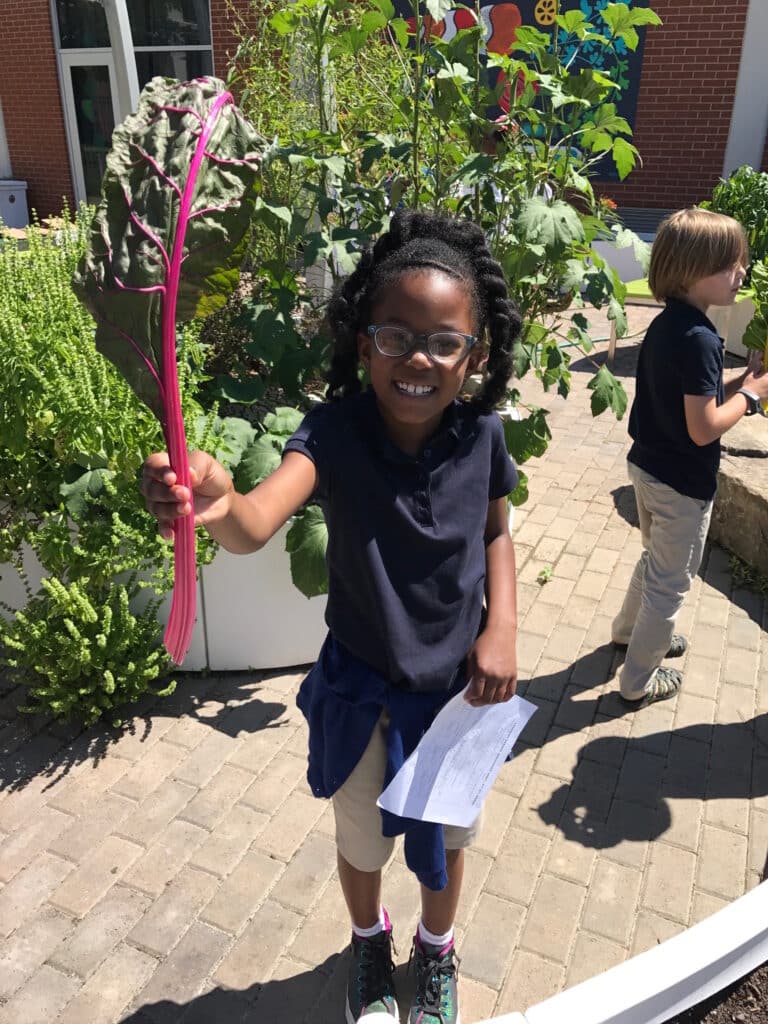
Van Lier et al found that “…gardening (in any location) offers young people the opportunity to develop skills, spend quality time with adults (e.g., parents, teachers), and contribute something valuable to their families or local community.”
van Lier, L. E., Utter, J., Denny, S., Lucassen, M., Dyson, B., & Clark, T. (2017). Home gardening and the health and well-being of adolescents. Health Promotion Practice, 18(1), 34–43.
Furthermore, a study out of Ontario Institute for Studies in Education at the University of Toronto (OISE/UT) found that the implementation of a garden space provided even more benefits than initially anticipated. Researchers said, “Community building was not necessarily an intention of OISE/UT’s learning garden project but became a significant outcome of the process. In fact, it may be the most long-lasting dimension of the learning garden.”
Jagger, S., Sperling, E., & Inwood, H. (2016). What’s Growing on Here? Garden-Based Pedagogy in a Concrete Jungle. Environmental Education Research, 22(2), 271–287.

so…
why food?